

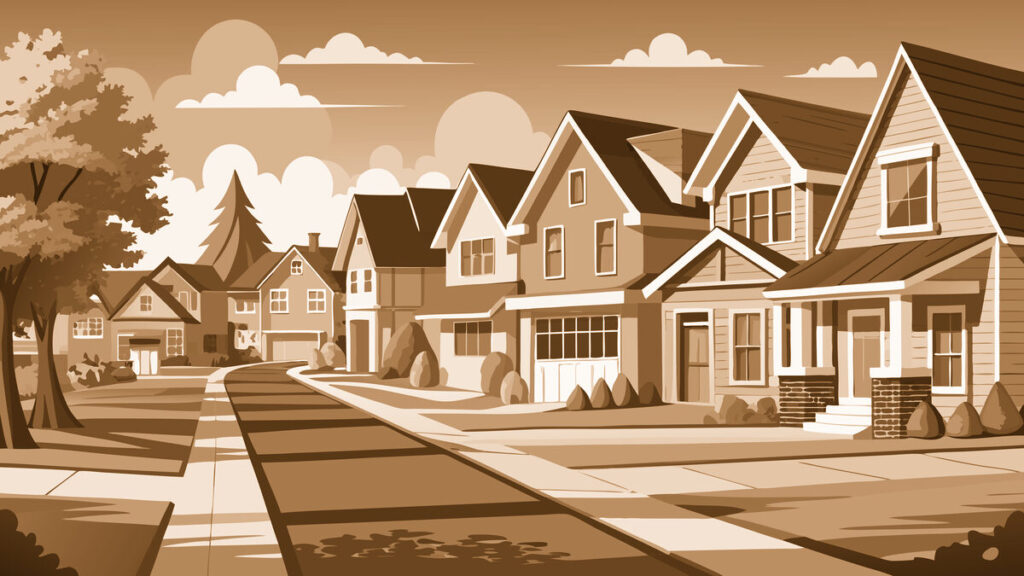
Discovering the Roots of Elm Knoll Heights
Nestled in the scenic heart of Poland, Ohio, Elm Knoll Heights is more than just a residential neighborhood—it's a living tapestry of local history, family legacies, and community spirit. Over the decades, this neighborhood has become a cherished home to generations, each leaving a mark while still preserving the charm and tradition that make Elm Knoll Heights remarkable.
The Name and Its Origins
The name “Elm Knoll Heights” evokes both the natural landscape and the aspirations of its early developers. In the mid-20th century, when postwar America saw rapid suburban growth, Poland’s rolling fields to the north of Dobbins Road became prime candidates for new family homes. Developers noted the gentle hills (“knoll”) dotted with tall, graceful elm trees, which were abundant before Dutch elm disease drastically reduced their numbers nationwide. Thus, “Elm Knoll” captured both the botanical heritage and topographical character of the area. The addition of “Heights” suggested a desirable, elevated vantage point—a subtle nod to both geography and social aspiration.
Early Days: From Farmland to Flourishing Community
Long before Elm Knoll Heights took shape, the area was a patchwork of family farms running alongside what is now Elm Drive and Woodland Glen. In the 1950s and early 1960s, as Poland itself grew, developers worked with local landowners to transform these quiet pastures into winding streets, welcoming walkways, and leafy avenues. Legendary builders like the Zak agency and Glista Construction helped set the tone for the neighborhood’s sturdy mid-century homes, many of which remain today.
In its first decades, Elm Knoll Heights quickly gained a reputation for being family-friendly and picturesque—children played along Heatherbrae Drive, neighbors greeted one another across tidy front lawns, and block parties became an annual tradition. Residents recall the scent of lilacs in spring and the glorious blaze of autumn maples that have become synonymous with the neighborhood’s tree-lined streets.
Key Milestones and Community Landmarks
Elm Knoll Heights isn’t just homes and streets—it’s also shaped by important places and events:
- Poland Village Park: Just a short stroll from the boundaries of Elm Knoll Heights, this sprawling green space has hosted countless community picnics, weddings, and Little League games. Generations of Elm Knoll families have crossed the iconic stone bridge to enjoy summer concerts or sled down the park’s gentle slopes in winter.
- Holy Family Parish: Located nearby on Center Road, this church has served as both a spiritual anchor and a community gathering spot for many neighborhood families. Its annual festival is a highlight for locals and draws crowds from across the region.
- Dobbins Elementary School: Though the school itself sits just outside the formal neighborhood bounds, it remains a central institution for Elm Knoll’s young residents. The familiar bus stops along College Street and Elm Drive are essential local landmarks for students and parents alike.
- Heatherbrae Drive Curve: For longtime residents, the gentle bend where Heatherbrae and Woodland Glen meet is a neighborhood hallmark. Stories of kids on bikes, block-wide baseball games, and impromptu fireworks on the Fourth of July all trace back to this memorable intersection.
Change, Renewal, and Enduring Spirit
As with many older neighborhoods, Elm Knoll Heights has weathered its share of challenges over time. The loss of American elms to blight in the 1970s changed the neighborhood’s canopy but inspired many residents to replant with maples, oaks, and ornamental pear trees. This commitment to greenery remains visible today, especially in the spring and fall when front yards burst into color.
The architectural character of Elm Knoll Heights has remained surprisingly consistent. While home renovations have modernized kitchens and porches, original brick and stonework on streets like Elm and Maplewood still provide a glimpse into the craftsmanship of earlier decades. Mid-century details—bay windows, slate roofs, and wrought iron railings—contribute to the area’s unpretentious elegance.
In recent years, the neighborhood has experienced a quiet resurgence. Young families are moving in, drawn by the strong sense of community and the reliable reputation of Poland's schools. New traditions, such as Halloween lantern walks and holiday cookie exchanges, blend seamlessly with time-honored practices like the summer block party.
What Makes Elm Knoll Heights Special
Ask any resident what sets Elm Knoll Heights apart, and the answers are strikingly similar:
- Tight-knit community: Neighbors watch out for one another, whether it's shoveling sidewalks after a heavy snow or organizing meals for a new parent.
- Walkable charm: With its gentle hills and mature trees, an evening walk through Elm Knoll Heights is a pleasure in every season. The carefully tended gardens and inviting porches encourage exploration and conversation.
- Deep roots: Many families are second- or even third-generation residents, preserving stories and friendships that span decades.
- Proximity to Poland’s treasures: Beyond its own charm, Elm Knoll Heights puts residents within easy reach of the Poland Library, Little Red Schoolhouse, and the bustling shops at Poland Village Center.
Looking to the Future
Elm Knoll Heights continues to evolve—balancing preservation with progress. Local efforts to maintain green spaces, support Poland’s strong schools, and foster inclusive community events are helping to ensure the neighborhood remains a welcoming place for generations yet to come. As Poland, Ohio grows and changes, Elm Knoll Heights stands as a testament to the power of community, the beauty of tradition, and the enduring appeal of home.
From its origins as farmland to its thriving present, Elm Knoll Heights is more than just a collection of houses—it is the heart of what makes Poland, Ohio a place people are proud to call home.